Reviewing Handmade Embroidery for Craft Fairs
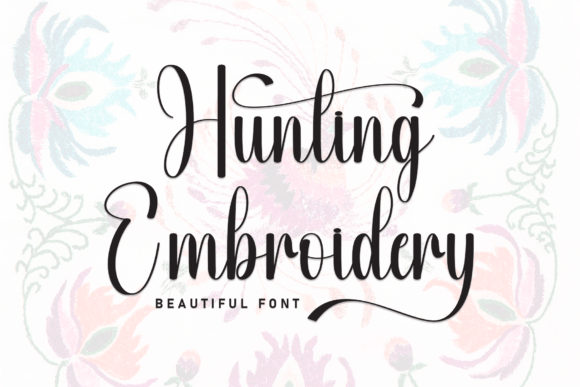
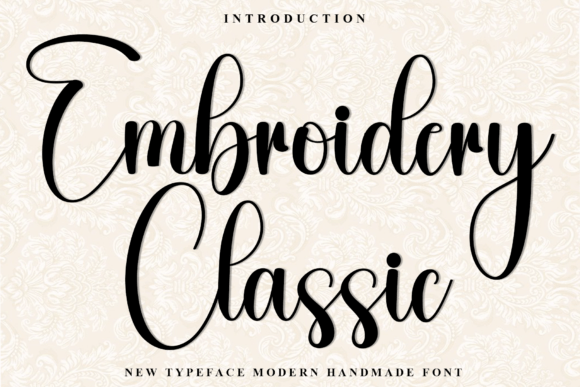
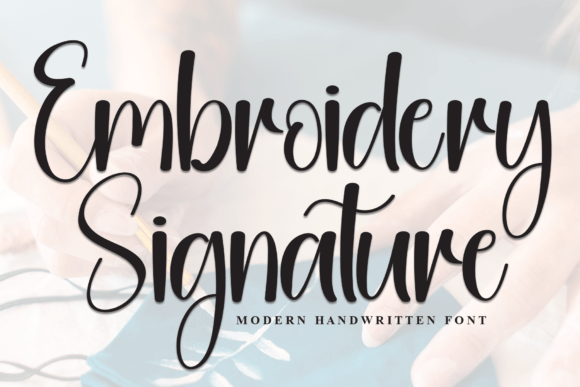
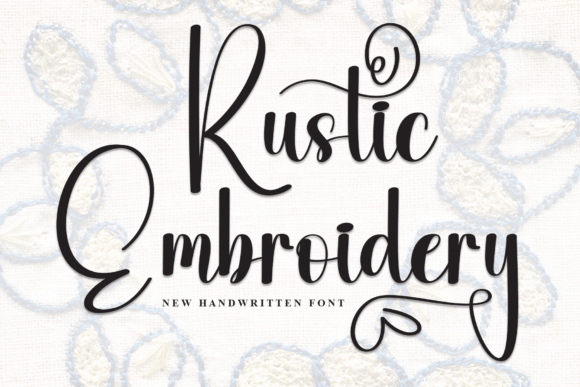
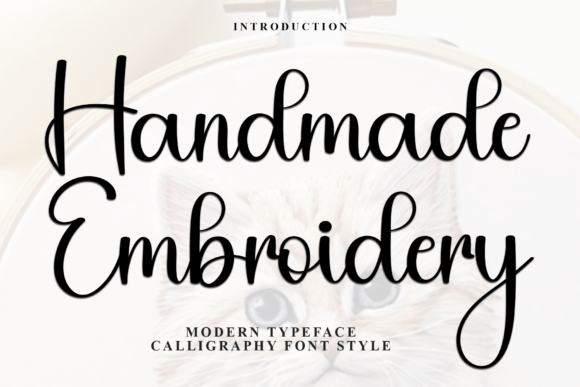
As an embroidery designer who has spent countless weekends behind a booth table, I know that the difference between a browser and a buyer often comes down to visual impact. When I first loaded Handmade Embroidery into my digitizing software, my immediate reaction was one of relief. In a market saturated with rigid, overly formal typefaces, this design offers something genuinely refreshing. It is a casual and creative font that exudes warmth and friendliness, qualities that are increasingly difficult to find in digital assets but are essential for connecting with customers in person.
The round, playful strokes create a relaxed and approachable feel. For those of us selling handmade products, this aesthetic is gold. It does not scream for attention with aggressive boldness; instead, it invites the viewer in with a soft, conversational tone. If you are an Etsy seller or a boutique maker looking to elevate your small shop product line, understanding how this specific style translates from screen to stitch is crucial for your success.
First Impressions and Market Fit
When evaluating a new machine embroidery design, I always ask myself: what mood does this convey? Handmade Embroidery sits comfortably in the sweet spot between modern minimalism and rustic charm. It is not quite farmhouse, nor is it strictly contemporary. It feels personal. This makes it an ideal candidate for items that are meant to be gifted or used daily in a home setting.
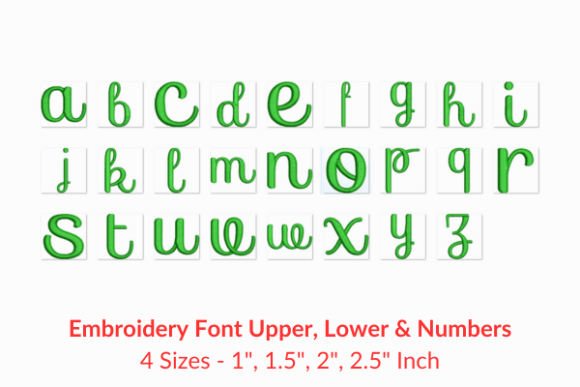
In the context of a craft fair, where customers are scanning dozens of tables, this font’s legibility is its strongest asset. The strokes are distinct enough to be read from a few feet away, yet detailed enough to reward closer inspection. It avoids the trap of being too thin, which can get lost in fabric texture, or too thick, which can create bulky, unappealing stitch piles. For creators working in the Script Handwritten category, this balance is often the hardest to achieve, making this Fonts selection a standout choice for practical application.
Product Applications That Sell
To truly test the versatility of this design, I imagined preparing a full table display. Here is how Handmade Embroidery performs across various popular craft fair products:
- Tote Bag Design: This is perhaps the strongest application. A simple phrase embroidered on a canvas tote using this font becomes an instant bestseller. The playful nature of the letters complements the casual utility of the bag. It works beautifully as a central focal point, allowing the text to breathe without feeling crowded.
- Apron Embroidery: For kitchen-focused buyers, an apron featuring this font adds a touch of whimsy. Whether it is a personalized name or a cute cooking quote, the rounded strokes soften the look of the garment, making it feel like a cherished heirloom rather than a uniform.
- Tea Towel Embroidery: Textured linen or cotton towels provide a wonderful backdrop. However, one must be mindful of the fabric texture. The design holds up well here, provided the stitch density is adjusted to prevent the towel weave from showing through too prominently.
- Embroidered Patch: Creating iron-on or sew-on patches is a great way to offer lower-priced items. This font scales down surprisingly well for patches, though I recommend keeping the wording short to maintain clarity.
- Caps and Headwear: Curved surfaces are tricky. While Handmade Embroidery is approachable, applying it to a cap requires careful hooping. The roundness of the letters can distort if the fabric pulls too much, so using a strong stabilizer is non-negotiable.
Production Practicalities for the Busy Maker
From a production standpoint, time is money. One of the key advantages of this design is its repeatability. For batch production, such as creating ten identical tote bags for a weekend market, consistency is vital. The design’s structure allows for reliable stitching across multiple runs, assuming your machine tension is calibrated correctly.
Photography is another critical factor for online listings. Handmade Embroidery photographs exceptionally well because of its clean lines. When creating a printable mockup or shooting real-life images for your Etsy listings, the font provides clear contrast against both light and dark fabrics. This visual clarity helps potential buyers understand exactly what they are purchasing, reducing hesitation and increasing conversion rates.
However, there are careful-use notes to consider. Because the font is playful and rounded, it can become illegible if scaled down too far. Avoid using it for tiny details or long paragraphs of text. It thrives as a headline or a short accent. Additionally, on very thick fabrics like heavy denim or textured towels, you may need to adjust your stitch density to ensure the letters do not sink into the material. Always test on scrap fabric first.
Enhancing Brand Value and Customer Engagement
Using a cohesive design language strengthens your brand. If your shop focuses on warmth, family, and creativity, Handmade Embroidery aligns perfectly with that identity. It signals to the customer that your finished product is made with care and personality. This emotional connection is what drives higher perceived value. Customers are often willing to pay more for items that feel unique and handcrafted, and the right typography plays a massive role in that perception.
For commercial embroidery purposes, this design allows for flexibility. You can pair it with simple floral motifs or keep it standalone for a modern look. The versatility means you can create a wide range of design assets without needing to purchase dozens of different fonts. It serves as a reliable workhorse in your digital library.
Designer Notes for Best Results
Before you start stitching your next batch of inventory, keep these technical tips in mind to ensure the highest quality output:
- Check Thread Contrast: This font relies on shape. Ensure your thread color contrasts sufficiently with your fabric. Pastel threads on white fabric may wash out the playful details.
- Stabilizer Selection: Use the right stabilizer for your fabric weight. For stretchy fabrics like t-shirts or caps, a cut-away stabilizer is often necessary to prevent distortion of the round letterforms.
- Hoop Size Considerations: Confirm your hoop size before digitizing or resizing. Ensure the design fits comfortably within the hoop with adequate margin for stability.
- Licensing Verification: Always confirm commercial licensing before selling finished products. While this review focuses on aesthetic and practical application, legal compliance is essential for any digital embroidery file user.
- Create Real Mockups: Do not rely solely on digital previews. Stitch out at least one real sample on your intended fabric to check for puckering or thread breaks.
In conclusion, Handmade Embroidery is a thoughtful addition to any creator’s toolkit. It bridges the gap between professional polish and handmade charm. By understanding its strengths in legibility, mood, and versatility, you can create products that not only look beautiful but also resonate with the customers walking past your booth. Whether you are designing a tote bag design for a spring market or updating your online store, this font offers the warmth and friendliness that today’s buyers are seeking.