Reviewing the Bookworm Floral Cross Stitch Chart
As an embroidery designer who has spent countless weekends standing behind craft fair tables, I have learned that not every beautiful design translates into a best-selling product. When I first opened the Bookworm Floral Cross Stitch Chart, my immediate reaction was one of relief mixed with excitement. In a market saturated with generic quotes and overly complex landscapes, this design strikes a delicate balance. It feels literary yet approachable, rustic but refined. For those of us running small shops or Etsy stores, finding a craft fair product that appeals to both avid readers and lovers of botanical aesthetics is akin to striking gold.
This review is not just about aesthetics; it is about viability. I am evaluating this pattern through the lens of production efficiency, visual impact, and customer engagement. Whether you are a seasoned Etsy seller or a newcomer to the world of handmade goods, understanding how a specific design performs on various substrates is crucial for your bottom line.
First Impressions: Aesthetic and Market Fit
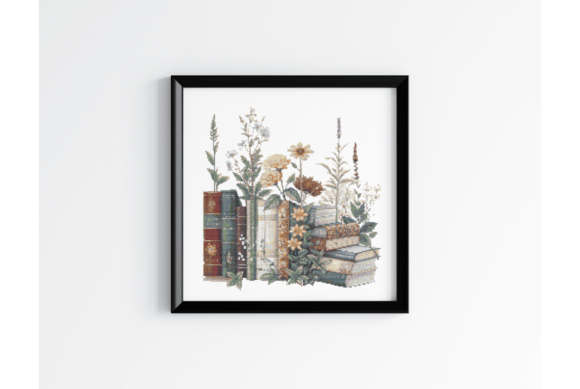
The title itself, Nature Blooming Books, suggests a fusion of two massive niche markets: gardening and reading. Visually, the design leans towards a soft, cottage-core aesthetic. It is not aggressively modern nor strictly traditional. This versatility is its greatest strength. When I imagine this stitched onto a natural linen tote bag, it exudes a quiet confidence. It does not scream for attention; rather, it invites a closer look. For a booth display, this is vital. You want items that draw people in from a distance but reward them with detail up close.
Unlike some Cross Stitch Patterns that rely on tiny, intricate details which can get lost on textured fabrics, this design appears to have a clear silhouette. The floral elements likely provide organic curves that soften the rigid structure of the books. This combination creates a harmonious composition that feels premium. It avoids the cluttered look that often plagues amateur designs, making it suitable for a wide range of demographics, from college students to retired librarians.
Product Application and Versatility
The true test of any embroidery file or chart is its adaptability. I evaluated where the Bookworm Floral Cross Stitch Chart would perform best across my typical product line.
- Tote Bags and Market Bags: This is the ideal canvas. The design works beautifully as a central focal point on a canvas or linen tote. The tote bag design potential here is high because the imagery tells a story. Customers love carrying their identity, and this design signals "intellectual" and "nature-loving" simultaneously.
- Aprons and Tea Towels: For kitchenware, placement is key. On an apron, this design would look charming on the bib or the lower pocket. For tea towel embroidery, ensure the stitch count allows for enough negative space so the texture of the waffle weave or linen does not interfere with the clarity of the flowers.
- Patches and Pouches: If you scale the design down, it could work as an embroidered patch. However, you must be cautious. Tiny details in the book spines or flower petals may merge if the patch is too small. I recommend testing a smaller version on scrap fabric first to ensure legibility.
- Pillow Covers: A large-scale version of this chart would make a stunning centerpiece for a throw pillow. It adds a touch of whimsy to living room decor without being overpowering.
For digital sellers, this chart also serves as excellent content for printable mockup creation. High-quality images of this design on various backgrounds can be used as design assets for social media marketing, even if you are selling the physical stitched item.
Production Practicalities for the Busy Maker
Time is money, especially when preparing for a weekend market. One of the most appealing aspects of this small shop product candidate is its perceived repeatability. The design does not appear to have excessive color changes or impossible-to-hit registration points. This suggests that batch production is feasible. You can hoop multiple pieces of fabric and stitch them out in an assembly-line fashion, maximizing your output before the fair.
However, there are careful-use notes to consider. If you are adapting this counted cross-stitch chart for machine embroidery, pay close attention to stitch density. Dense areas of floral foliage can cause puckering if not properly stabilized. Always use a cut-away stabilizer for garments like caps or stretchy tote bags to maintain the integrity of the design over time.
Furthermore, consider the fabric texture. While this design looks great on smooth cotton, it might lose definition on highly textured burlap or thick wool. I recommend sticking to medium-weight linens, cotton canvases, or twill for the best results. If you are stitching on dark fabric, ensure you have high-contrast thread colors selected. The charm of this design lies in its clarity; muddy colors will diminish its impact.
Visual Appeal and Customer Engagement
In a crowded craft fair aisle, your booth samples must do the heavy lifting. The Bookworm Floral Cross Stitch Chart offers strong visual appeal because it is relatable. It sparks conversation. I can easily imagine a customer stopping to say, "Oh, I love reading!" or "Those flowers are lovely." This emotional connection is what converts browsers into buyers.
When photographing this for your online listings, focus on lifestyle shots. Show the embroidered tote bag next to a stack of books and a cup of coffee. Show the apron in a bright, sunlit kitchen. These contexts help the buyer visualize the finished product in their own life. The design’s blend of nature and literature makes it highly Instagrammable, which is free marketing for your brand.
Brand consistency is another factor. If your shop focuses on cozy, handmade, or literary-themed items, this design fits seamlessly. It reinforces your brand identity as a curator of thoughtful, quality goods. It does not feel like a generic clip-art addition; it feels intentional and curated.
Designer Notes and Final Recommendations
Before you commit to producing a large inventory, take these practical steps:
- Test on Scrap Fabric: Never assume a design will work on your chosen material without a test run. Check how the threads interact with the weave.
- Check Thread Contrast: Ensure your thread choices provide enough distinction between the books and the flowers. Monochromatic schemes can look elegant but may lack the pop needed for a craft fair table.
- Confirm Hoop Size: Determine the optimal hoop size for your target products. A 5-inch hoop might be perfect for a patch, while an 8-inch hoop suits a tote bag.
- Review Licensing: Since this is a digital embroidery file or chart, verify the commercial license terms. The product description states it is a DIGITAL cross stitch pattern in PDF format. Ensure you have the right to sell finished products made from this design. Most designers allow this, but always confirm to protect your business.
- Create Real Mockups: Do not rely solely on digital previews. Stitch one sample and photograph it in natural light. This image will likely become your best-selling asset on Etsy.
In conclusion, the Bookworm Floral Cross Stitch Chart is a strong contender for any maker looking to expand their commercial embroidery offerings. It balances aesthetic charm with production practicality. It is bold enough to be seen from afar but detailed enough to appreciate up close. For craft fair sellers and handmade business owners, it represents a low-risk, high-reward addition to your product lineup. By focusing on quality materials and strategic placement, you can turn this digital graphic into a tangible bestseller that resonates with customers who value both nature and narrative.