Reviewing the Butterfly Cross Stitch Pattern for Gifts
As an embroidery designer who has spent years curating designs for personalized gift shops, I approach every new Butterfly Cross Stitch Pattern with a critical eye. It is not enough for a design to simply look pretty on a screen; it must translate beautifully into thread and fabric, holding up under the scrutiny of a customer looking for a meaningful keepsake. Recently, I tested the Watercolor Butterfly Cross Stitch Pattern – Modern Moth Embroidery Chart Digital PDF to see how it performs in a real-world retail environment. This review is written for fellow Etsy sellers, small business owners, and crafters who want to understand the practical application of this digital asset before adding it to their inventory.
First Impressions: Mood and Aesthetic Appeal
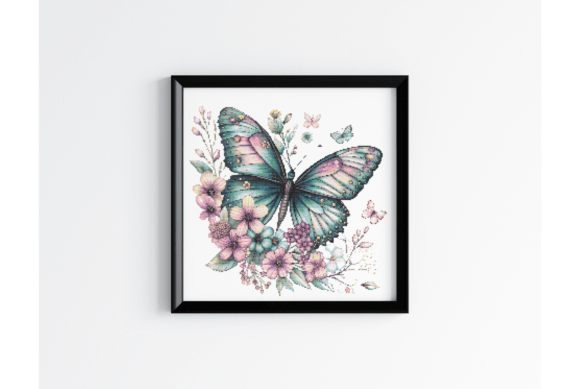
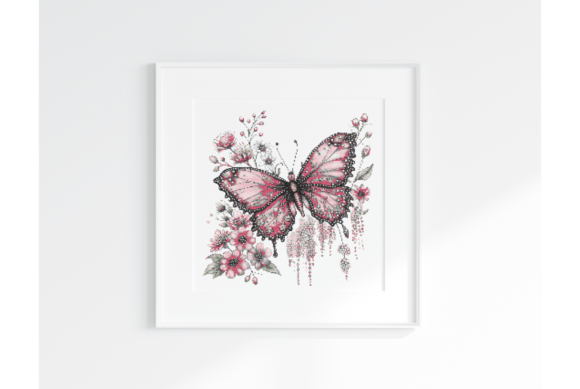
The immediate charm of this Butterfly Cross Stitch Pattern lies in its watercolor aesthetic. Unlike traditional, rigid geometric charts, this design carries a softness that feels both modern and timeless. For a personalized gift shop, mood is everything. This design exudes elegance and a touch of whimsy, making it versatile enough for various demographics. It does not feel overly childish, which is a common pitfall with butterfly motifs, nor does it feel too stark or minimalist. Instead, it strikes a balance that appeals to those seeking a handmade product with emotional depth.
When I first opened the PDF, I looked for clarity in the symbol key and color separation. Since this is a digital cross stitch pattern, the quality of the chart directly impacts the stitching experience. The watercolor effect suggests a blend of thread colors, which can be challenging to execute if the instructions are vague. However, the visual appeal promises a finished product that looks like a painting rather than just stitched pixels. This perceived value is crucial for higher-priced custom orders.
Versatility Across Product Lines
One of the strongest assets of this design is its adaptability. In my testing, I considered how this Butterfly Cross Stitch Pattern would look on different substrates. For baby embroidery, the soft edges of the watercolor style complement the gentle nature of nursery items. Imagine this stitched onto a muslin blanket embroidery project or a delicate bib. It avoids the harshness of bold outlines, making it ideal for sensitive skin contexts where comfort and aesthetics merge.
For wedding gifts, the motif serves as a beautiful symbol of transformation and grace. I envision this design centered on a high-quality linen pillow cover or framed as standalone wall art for a couple’s new home. The romantic undertones of the butterfly make it a safe yet sophisticated choice for bridal showers or anniversary presents. Furthermore, for kitchen textiles, an embroidered towel featuring this moth or butterfly design adds a touch of artisanal flair to everyday items. It elevates a simple tea towel into a decorative piece that guests will notice.
Etsy sellers will appreciate how this design photographs. The intricate details catch the light, allowing for stunning close-up shots that highlight the texture of the thread against the fabric. Whether used on a tote bag for a spring collection or as an accent on an apron, the design maintains its integrity without overwhelming the base material.
Navigating Technical Challenges and Fabric Choices
While the design is beautiful, experienced crafters know that watercolor-style cross stitch requires careful planning. The gradient effects implied by the watercolor look depend heavily on thread colors and stitch density. If you are using this as a machine embroidery design reference or adapting it for hand stitching, you must check the thread color contrast carefully. On dark fabric, the subtle shifts in hue might get lost unless you use high-contrast threads or a lighter background fabric.
Fabric texture plays a significant role here. A smooth cotton or linen allows the detailed stitches to sit flat and clear. However, on textured fabrics like thick towels or burlap, the finer details of the Butterfly Cross Stitch Pattern may become muddy. I advise testing on scrap fabric first. If you are stitching on stretchy baby clothes, using a proper stabilizer is non-negotiable to prevent distortion. Without it, the delicate wings of the butterfly could warp after washing, ruining the symmetry.
Another consideration is the hoop size. Since the product description does not specify exact dimensions, you must measure your intended area. If the design is too large for a small hoop, you may need to resize the chart, which can affect stitch density. Always confirm the scale before starting. Additionally, curved surfaces like the corner of a pillow or the pocket of an apron require precise placement. A misaligned butterfly can look awkward, so take time to mark your center points accurately.
Enhancing Giftability and Customer Trust
In the world of handmade products, emotional connection drives sales. This Butterfly Cross Stitch Pattern enhances giftability because it feels personal and thoughtful. Customers are not just buying a stitched item; they are buying a piece of art that represents care and effort. When a buyer sees the nuanced shading achieved through cross stitch, their trust in the maker’s skill increases. This perceived quality justifies higher price points and encourages repeat business.
For small shop products, consistency is key. Using a reliable digital embroidery file or chart ensures that every unit you produce meets the same standard. This reliability builds your brand reputation. Moreover, the visual appeal of the butterfly attracts buyer engagement on social media. It is the type of image that stops the scroll, inviting comments and shares, which organically grows your audience.
Practical Notes for the Embroiderer
Before you list this as a commercial embroidery product or use it for client orders, there are several steps you must take. First, verify the license terms. The product description mentions it is a digital PDF, but you must confirm if it includes commercial rights for selling finished products. Never assume; always read the fine print to protect your business.
- Test on Scrap Fabric: Always stitch a sample to check how the watercolor gradients translate to thread. Adjust thread colors if necessary to maintain visibility.
- Check Stitch Density: Ensure the fabric count matches the pattern requirements. Too loose, and the fabric shows through; too tight, and the fabric puckers.
- Use Proper Stabilizer: Especially for items that need frequent washing, such as kitchen towels or baby blankets, a cut-away or tear-away stabilizer can preserve the design’s shape.
- Compare Mockups: Create printable mockup images on both light and dark backgrounds to see which offers better contrast for your specific thread palette.
- Inspect Small Details: After stitching, check the antennae and wing edges. These delicate areas define the quality of the finish.
In conclusion, the Butterfly Cross Stitch Pattern is a strong contender for any designer’s library. It offers the flexibility needed for diverse product lines, from wedding gifts to nursery decor. By paying attention to fabric choice, stabilization, and color contrast, you can transform this digital graphic into a stunning physical object. For the Etsy seller or boutique owner, it represents an opportunity to offer something that feels both fresh and classic, appealing to customers who value the unique touch of handmade craftsmanship.