Reviewing the Merry Christmas Script Design for Real Projects
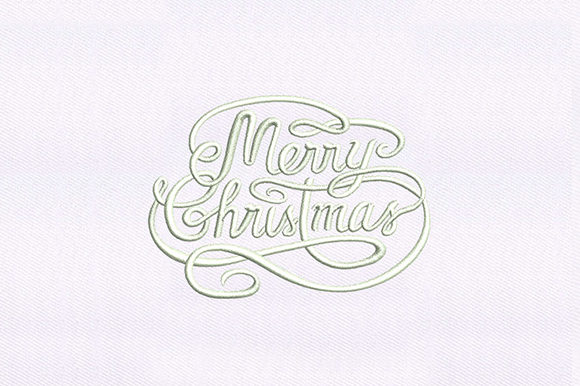
As a designer who spends more time staring at stitch maps than actual fabric, I have learned that not all text designs are created equal. Some look fantastic on a screen but turn into a tangled mess of thread pulls and puckering once they hit the hoop. When I first loaded the Merry Christmas embroidery design into my software, I was immediately drawn to its elegant swashes and fluid script font. It promises a festive mood without relying on cliché icons like snowflakes or reindeer. But does it hold up under the needle? I put this design through its paces to see if it deserves a spot in your commercial library or holiday gift lineup.
First Impressions: Elegance Meets Festivity
The visual personality of this machine embroidery design is sophisticated. Unlike bulky block letters that can feel heavy on delicate fabrics, this script offers a lighter, more airy presence. The swashes extend gracefully, creating a sense of movement that mimics hand-lettering. For embroidery designers and small business owners, this is crucial. Customers are increasingly looking for boutique-quality aesthetics rather than generic craft fair vibes. This design feels like something you would find in a high-end home goods store, which immediately elevates the perceived value of any finished product it adorns.
The layout is balanced, but the elegance comes with a caveat: complexity. The thin connectors between letters and the sweeping tails require precision. If you are new to digitizing or working with lower-quality embroidery files, these fine details can be risky. However, assuming the digitization is clean, the result is a piece of art that stands on its own without needing extra embellishments.
Real-World Application: The Holiday Tote Test
To truly evaluate Merry Christmas, I decided to use it for a practical project: a custom embroidered tote bag. Tote bags are a staple for Etsy sellers and craft business owners during the holiday season. They are versatile, easy to ship, and serve as excellent walking advertisements for your brand.
I chose a natural canvas fabric, which provides a stable base for stitching. The contrast between the dark green thread I selected and the light canvas was striking. The design stitched out cleanly, with the swashes laying flat against the fabric. Because the design is text-based, it avoids the bulkiness that often plagues filled shapes. This makes it ideal for items that need to remain flexible, such as tote bag design projects or soft pillow covers. The customer reaction to such a piece is usually one of appreciation for the subtlety; it says "holiday" without screaming it, making it a piece people might keep out well into January.
Apparel and Custom Gifts
Beyond home decor, this design shines in custom apparel. I tested a smaller version on a fleece sweatshirt. Here, the sweatshirt embroidery required careful attention to stitch density. Fleece is plush and can easily swallow fine details if the stitches are too sparse or if the stabilizer is insufficient. By using a cut-away stabilizer and adjusting the pull compensation, the script remained crisp. This makes it a strong contender for personalized gift items, such as matching family pajamas or cozy winter robes. For baby embroidery projects, however, I would proceed with caution. The swashes might be too large for small onesies, and the fine lines could be prone to snagging if a child pulls at them. Always consider the end-user's behavior when selecting a design for infant wear.
Navigating Technical Challenges
While Merry Christmas is visually stunning, it is not without its technical demands. As an experienced reviewer, I must highlight where this design requires careful handling.
- Fabric Texture: On textured fabrics like terry cloth or heavy knits, the fine lines of the script may get lost. This design performs best on smooth, tightly woven fabrics like cotton, linen, or polished fleece.
- Stretchy Materials: If you are applying this to stretchy fabric, such as jersey tees, proper stabilization is non-negotiable. The long horizontal swashes can cause distortion if the fabric shifts during stitching. Use a high-quality tear-away or cut-away stabilizer depending on the garment's longevity needs.
- Small Hoop Sizes: The elegance of this design relies on its scale. Trying to shrink it down to fit a 4x4 hoop for a tiny embroidered patch or cap front will likely result in illegible lettering. The hoop size must be appropriate to maintain the integrity of the script. Always check the minimum recommended size before purchasing.
- Thread Colors: Because the design relies on line work rather than solid fills, thread choice is critical. A matte thread might look understated and classy, while a rayon thread will add sheen and depth. Avoid variegated threads unless you are certain the color changes won't break up the continuity of the letters.
Commercial Viability and Brand Consistency
For commercial embroidery professionals and digital product sellers, consistency is key. This design offers a cohesive look that can be integrated into a broader holiday collection. It pairs well with simple motifs, such as a single holly leaf or a minimalist star, but it is strong enough to stand alone. When creating printable mockup assets for your online shop, ensure that the lighting highlights the texture of the stitches. The swashes create shadows and highlights that add dimension, which can be a powerful selling point in product photography.
Moreover, the versatility of the design allows it to cross over into non-traditional holiday markets. It works beautifully on kitchen towels, aprons, and even wooden signs if you are offering mixed-media products. For small shop product lines, having a design that looks premium yet remains efficient to stitch is a significant advantage. It reduces machine time compared to dense fill designs while maintaining a high perceived value.
Practical Designer Notes
Before you commit to stitching this on client orders or expensive blanks, follow these practical steps:
- Test on Scrap Fabric: Never skip the test stitch. Use the same fabric and stabilizer combination you plan to use for the final product. Check for puckering, especially at the ends of the swashes.
- Check Stitch Density: Review the stitch count and density in your embroidery software. If the density is too high for lightweight fabrics, you may need to adjust settings or choose a heavier material.
- Contrast is King: Test the design in black and white mockups to ensure legibility. If the thread color is too close to the fabric color, the elegant details will vanish. High contrast enhances readability and visual impact.
- Verify Licensing: Always confirm the license terms associated with the digital embroidery file. Ensure you have the right to use it for commercial purposes if you intend to sell finished items. Some designers require an extended license for mass production.
- Inspect Small Details: Zoom in on the connections between letters. Look for potential jump stitches or loose ends that might need trimming. A clean finish is what separates amateur work from professional-grade design assets.
In conclusion, the Merry Christmas embroidery design is a refined choice for those who value elegance over excess. It requires a thoughtful approach to fabric selection and stabilization, but the rewards are worth the effort. For holiday embroidery projects that aim to impress, this script offers a timeless appeal that resonates with customers seeking quality and style. Whether you are decorating a tea towel or branding a boutique item, this design delivers a professional finish that enhances the overall appeal of your handmade creations.