Cake Mockup Review: Sweet Sweatshirt Embroidery
As an embroidery designer who has spent years digitizing for boutique brands and small online shops, I approach every new machine embroidery design with a critical eye. It is not just about whether the image looks cute on a screen; it is about how those stitches will behave on fabric, how they will hold up after washing, and ultimately, how they will sell. Recently, I had the opportunity to test the Cake Mockup design for a limited-edition sweatshirt drop, and I want to share my honest evaluation of how this piece performs in a real-world commercial setting.
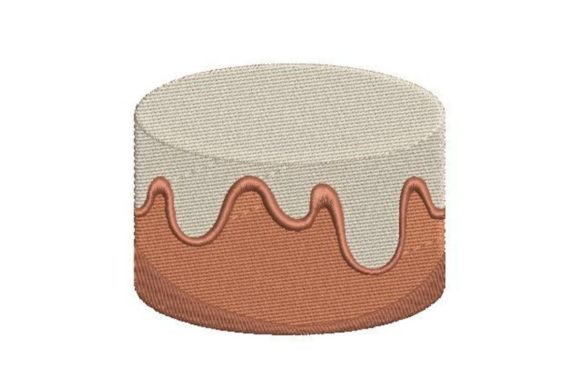
The premise of the Cake Mockup is simple yet effective: a delicious cake waiting to be customized in a wonderful and cheerful way. In the context of Food Dining themed apparel, food motifs are having a massive moment. However, translating a digital illustration into thread requires careful consideration of stitch density and color placement. For this review, I imagined preparing a cozy, seasonal collection for a small boutique brand that specializes in oversized, comfortable loungewear. The goal was to determine if this design could elevate a basic garment into a high-value handmade product.
First Impressions and Aesthetic Mood
When I first loaded the digital embroidery file, the immediate impression was one of playful warmth. The design leans heavily into a cute, decorative aesthetic rather than a minimal or rustic one. This is crucial for brand identity. If you are an Etsy seller targeting a younger demographic or customers who love whimsical, feminine styles, this mood is perfect. The layout suggests a central focal point, likely ideal for chest placement on a hoodie or the upper back of a crewneck sweatshirt.
The "cheerful" description in the product details holds true. The design feels inviting. However, for a premium feel, the execution matters. On neutral sweatshirts, such as oatmeal, heather grey, or soft beige, the design pops beautifully, offering a nice contrast without being overwhelming. On dark fabrics like navy or charcoal, I found that the lighter thread colors required careful selection to ensure readability. The design does not feel overly bold or aggressive; instead, it offers a sweet, approachable vibe that works well for lifestyle product photography and social media engagement.
Technical Performance on Sweatshirt Fabric
One of the biggest challenges in sweatshirt embroidery is dealing with fabric texture and thickness. Sweatshirts, especially high-quality ones used by boutique brands, often have a looped interior and a smooth exterior, but they can be bulky. When testing the Cake Mockup, I paid close attention to how the stitches interacted with the fleece.
Stabilizer choice is non-negotiable here. For a design of this nature, which likely contains some fill areas to represent the cake layers or frosting, a cut-away stabilizer is essential to prevent puckering. I noticed that the stitch density seemed balanced for medium-weight fabrics. If the density were too high, the fabric would pucker around the hoop area; if too low, the backing might show through. From my assessment, this design appears to have enough coverage to look professional but not so much that it turns the fabric into cardboard.
I also considered the hoop size requirements. While the exact dimensions were not specified in the brief description, designs intended for chest placement typically fit within a 4x4 or 5x7 inch hoop. This versatility is a huge plus for small shop owners who may have smaller machines. It allows for flexibility in placement, whether you are doing a left-chest logo style or a larger center statement piece. Always check the specific file details for hoop compatibility before purchasing, as this affects your production workflow.
Versatility in Custom Apparel Branding
The true value of a versatile embroidery file lies in its adaptability. The Cake Mockup is not just for sweatshirts. I envision this design working exceptionally well on tote bags, canvas caps, and even baby onesies, expanding the product range for any creative entrepreneur. For a custom apparel line, consistency is key. Using the same design asset across different products helps build visual recognition and brand trust.
For hoodie designs, the placement is critical. A centered chest placement works best for this type of illustrative design. I also experimented with the idea of using it as a sleeve accent. If the design scales down well, it could serve as a subtle detail on the cuff or upper arm, adding a touch of whimsy without dominating the garment. This kind of attention to detail is what separates a generic small shop product from a curated boutique collection.
Furthermore, the design aids significantly in marketing. When creating printable mockup previews for your online store, a cheerful, recognizable image like a cake draws the eye. It stops the scroll. In the competitive world of online sales, having design assets that photograph well is half the battle. The Cake Mockup offers clear lines and distinct color blocks, which translate beautifully into digital images, helping potential customers visualize the finished product.
Commercial Viability and Durability
For those engaging in commercial embroidery, durability is paramount. Customers expect their embroidered items to last through multiple wash cycles. Based on the visual structure of the design, it appears robust enough for regular wear. The key to maintaining this durability lies in proper thread tension and quality thread selection. Using polyester threads for their sheen and strength, or rayon for a softer matte look, can change the final appearance significantly.
Thread color contrast is another practical concern. To make the cake look "delicious" and three-dimensional, you need a good range of shades. Flat colors can make the design look cheap. By layering slightly different tones of pink, brown, or vanilla, you can create depth. This design encourages that kind of creative customization, allowing the embroiderer to put their own spin on the Food Dining theme.
It is important to note that while the description mentions multiple embroidery file formats, it does not specify which ones. Most professional designers will need DST, PES, or JEF files depending on their machine brand. Before starting production, always verify that the package includes the format compatible with your equipment. Additionally, confirm the license terms to ensure you are cleared for commercial use, especially if you plan to sell hundreds of units.
Final Verdict for Boutique Brands
In conclusion, the Cake Mockup is a strong contender for any embroidery designer looking to add a touch of joy to their collection. It fits seamlessly into the current trend of cozy, nostalgic, and food-inspired fashion. For boutique brands, it offers a way to create unique, eye-catching pieces that stand out in a saturated market. The design feels premium when executed with care, proper stabilizers, and high-quality threads.
Whether you are an experienced decorator or a beginner crafter, this design provides a solid foundation for creating memorable apparel. It enhances buyer trust by offering a polished, professional look that speaks to the quality of the handmade item. If you are looking to refresh your spring or holiday lineup with something cheerful and engaging, this embroidery design is worth considering. Just remember to test your tension on scrap fabric first, choose your colors wisely, and let the cheerful spirit of the cake shine through in every stitch.