Embroidery Vector Mockup: A Designer’s Honest Review
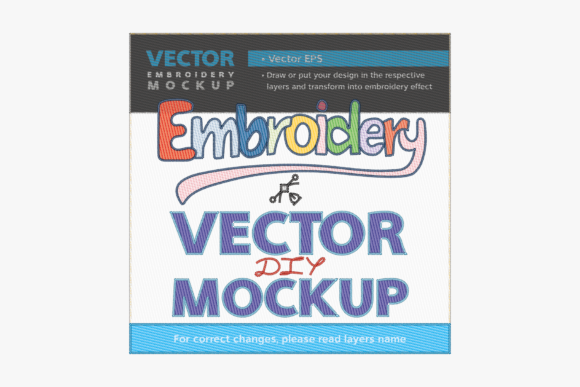
As an embroidery designer who spends countless hours digitizing patterns and testing them on various fabrics, I am always on the lookout for tools that streamline my workflow without sacrificing quality. Recently, I came across the Embroidery Vector Mockup on Creative Fabrica. Unlike standard digital embroidery files that require hoop testing and thread matching before you even know how they look, this product falls under the Graphics category within Crafts. It is a vector file designed to open in Adobe Illustrator, offering a different utility for those of us who sell finished handmade goods or digital design assets.
In this review, I will share my experience evaluating the Embroidery Vector Mockup for real-world project use. I approached this not just as a graphic element, but as a vital tool for presenting custom apparel, tote bags, and personalized gifts to potential clients. If you are an Etsy seller, a small business owner, or a creative entrepreneur, understanding how this asset fits into your production pipeline can save you time and elevate your brand presentation.
First Impressions: Visual Mood and Detail Level
When I first opened the Embroidery Vector Mockup in Illustrator, I was impressed by the clean lines and the realistic texture simulation. For a vector graphic, it captures the essence of stitched fabric surprisingly well. The visual mood is professional yet approachable, making it suitable for a wide range of decorative appeals. Whether you are aiming for a rustic, handmade aesthetic or a sleek, modern boutique look, the detail level provided in this file allows for significant customization.
The stitching personality depicted in the mockup feels authentic. It does not look like a flat print; instead, it suggests the depth and dimension of a true machine embroidery design. This is crucial when you are trying to convey the value of a handmade product to customers who may never see the physical item before purchasing. The graphic serves as a bridge between the digital concept and the tangible finished product.
Real-World Application for Custom Apparel and Gifts
I tested the versatility of the Embroidery Vector Mockup by imagining it applied to several common items I produce for my shop. Here is how it performs across different categories:
- Custom Apparel: When designing listings for sweatshirt embroidery or t-shirts, this mockup helps visualize placement. It allows me to show clients how a design might sit on the chest or sleeve without needing to stitch multiple samples.
- Tote Bags and Aprons: For sturdy items like canvas tote bag design projects or kitchen aprons, the mockup provides a clear representation of how the embroidery interacts with textured fabrics. It helps in creating compelling printable mockup images for online stores.
- Baby Items and Nursery Decor: Softness is key for baby blankets and pillow covers. Using this graphic, I can create gentle, inviting previews for nursery decor, ensuring the personalized gift aspect is highlighted effectively.
- Caps and Patches: Curved surfaces like caps are notoriously difficult to photograph. The Embroidery Vector Mockup can be warped and adjusted in Illustrator to mimic the curve of a cap or the border of an embroidered patch, giving a realistic preview for commercial embroidery clients.
This flexibility makes it an invaluable asset for anyone dealing in Creative Fabrica embroidery resources or selling design assets to other crafters. It transforms a simple digital embroidery file concept into a marketable visual.
Practical Considerations for Embroidery Designers
While the Embroidery Vector Mockup is a powerful visual tool, it is important to remember that it is a graphic representation, not a stitch file. As an experienced designer, I must advise caution when translating these visuals into actual stitching. Here are some practical notes to keep in mind:
- Stitch Density and Texture: The mockup may show dense areas that look beautiful graphically but could cause puckering in real life. Always check stitch density when digitizing the actual pattern. Use appropriate stabilizer types for stretchy or textured fabrics to maintain integrity.
- Fabric Compatibility: Dark fabrics require different thread colors and potentially underlay stitches to pop. Compare light and dark fabric mockups to ensure your design remains visible and vibrant. The vector file allows you to change colors easily to test contrast.
- Hoop Size Limitations: Just because a design looks good in the mockup does not mean it fits your machine’s hoop size. Always confirm dimensions before starting a custom apparel order.
- Small Details and Lettering: Tiny lettering or intricate satin stitch details may get lost in production. Inspect small details after stitching a test piece on scrap fabric. What works in Illustrator may need simplification for a running stitch or fill stitch execution.
For items that need frequent washing, such as kitchen towels or baby clothes, ensure that the actual embroidery technique matches the durability implied by the mockup. A realistic preview builds trust, but the physical quality retains the customer.
Enhancing Brand Value and Customer Trust
One of the most significant benefits of using the Embroidery Vector Mockup is its impact on perceived value. In the world of online sales, particularly on platforms like Etsy, visual appeal drives clicks. High-quality, consistent imagery establishes brand consistency. When customers see a professional, realistic representation of your embroidery file work, their trust in your craftsmanship increases.
This tool aids in creating cohesive product photography styles. Instead of relying solely on photos of finished items, which can vary in lighting and angle, you can use the mockup to create a uniform look across your shop. This is especially useful for seasonal handmade gifts or boutique merchandise where timing is critical. You can showcase new designs instantly without waiting for physical samples to be stitched and photographed.
Furthermore, for those selling applique design services or complex layered details, the mockup helps communicate the complexity and beauty of the work. It engages customers by allowing them to visualize the end result, reducing hesitation and potentially increasing conversion rates.
Final Verdict: Is It Worth Downloading?
After reviewing the Embroidery Vector Mockup from the perspective of a working embroidery designer, I find it to be a highly useful addition to my toolkit. It is not a replacement for physical sampling, but it is an excellent complement to the design and marketing process. For small business owners and crafters who need to present their work professionally, this graphic asset saves time and enhances presentation.
Before downloading, I recommend checking the product details on the Creative Fabrica page to confirm licensing terms, especially if you plan to use the mockups in commercial listings for finished product sales. Ensure that the file format suits your software capabilities, as it opens in Illustrator. If you are comfortable with vector editing, this tool can significantly streamline your workflow.
In conclusion, the Embroidery Vector Mockup is a smart investment for anyone serious about elevating their embroidery business. It bridges the gap between digital design and physical creation, helping you sell more effectively and present your handmade products with the professionalism they deserve. Whether you are creating caps, pillow covers, or custom apparel, this resource supports your journey from concept to customer satisfaction.