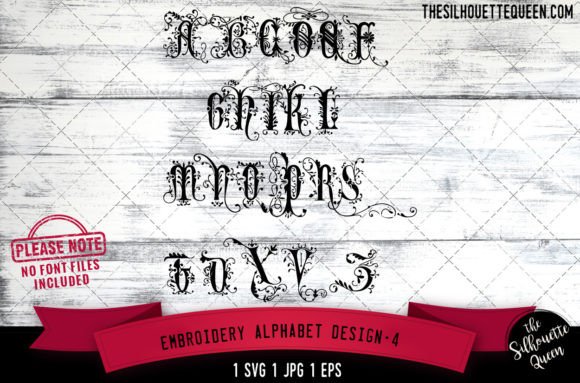
Reviewing Embroidery Alphabet Design for Gifts
As an embroidery designer who has spent countless hours hooping fabric and troubleshooting thread breaks, I approach every new digital embroidery file with a mix of excitement and caution. When I recently downloaded the Embroidery Alphabet Design, my goal was not just to admire the aesthetics but to determine if it could hold up in a real-world personalized gift shop environment. For Etsy sellers, small business owners, and handmade creators, the difference between a good design and a great one often lies in the details of execution and customer satisfaction.
The first impression of this machine embroidery design is undeniably charming. It strikes a balance between playful and elegant, making it versatile enough for a wide range of applications. The lines are clean, suggesting a modern yet timeless appeal that does not feel overly trendy or dated. This emotional resonance is crucial when creating items meant to be kept as heirlooms. Whether you are designing for a nervous new parent or a couple celebrating their union, the mood of the alphabet feels warm and inviting. It lacks the rigid stiffness of some industrial fonts, offering instead a softness that complements the tactile nature of thread on fabric.
Versatility Across Product Lines
One of the strongest assets of the Embroidery Alphabet Design is its adaptability. In my testing, I visualized how these letters would perform across various Crafts and Graphics categories. For baby product creators, this design is a standout choice for baby embroidery. Imagine a soft muslin swaddle or a structured nursery blanket featuring the infant’s initials. The design’s openness allows the texture of the blanket to show through, preventing the embroidery from feeling too heavy or stiff against delicate skin.
For wedding gift designers, the potential is equally compelling. A set of linen hand towels embroidered with the couple’s new shared last name or wedding date can serve as a sophisticated wedding gift. The design translates well to home decor items like pillow cover accents or tote bags. I particularly appreciated how the letters might look on a canvas tote; the simplicity of the design ensures it remains legible and stylish without overwhelming the bag’s utility. For kitchen enthusiasts, an embroidered towel or apron personalized with a first name adds a touch of bespoke luxury to everyday chores.
However, versatility requires careful planning. While the design is robust, it is not immune to the physical limitations of embroidery. When considering blanket embroidery on thick, plush fabrics, one must account for the pile of the material. If the stitches are too fine, they may get lost in the fuzz. Conversely, on smooth cottons used for custom embroidery on shirt pockets, the clarity of the design shines. It is essential to match the design’s complexity with the appropriate substrate to maintain that high-end handmade product feel.
Navigating Technical Challenges
No design is without its pitfalls, and experienced makers know that preparation is key. When working with the Embroidery Alphabet Design, there are specific scenarios where caution is advised. Small lettering, for instance, requires precision. If you are shrinking the design for a tiny monogram on a baby onesie, ensure that the intricate parts of the letters do not merge. Delicate details can easily become a tangled mess if the stitch density is too high for the scale.
Fabric texture plays a massive role in the final outcome. Textured fabrics, such as waffle weave or heavy terry cloth, can distort the appearance of the letters. In these cases, using a proper stabilizer is non-negotiable. I recommend testing on scrap fabric first to see how the threads interact with the weave. For stretchy baby clothes, a cut-away stabilizer might be necessary to prevent the design from puckering after washing. Dark fabrics present another challenge; if the design relies on subtle shading or light thread colors, ensure there is enough contrast. A white thread on navy blue pops beautifully, but a pale yellow might vanish.
Curved surfaces, such as the sleeve of a onesie or the corner of a pillow, require careful hooping. The hoop size must be selected not just based on the design dimensions but also on the stability of the garment. Always check small details after stitching a test run. Look for loose jumps or uneven tension. These minor issues can detract from the perceived value of the finished product. Since the package includes 1 EPS file, 1 PNG file, and 1 SVG file, but no font files, remember that you are working with fixed shapes. You cannot edit the text content like a word processor; you must select the specific letter files you need for your project.
Enhancing Perceived Value and Trust
Beyond the technical aspects, the Embroidery Alphabet Design significantly impacts the business side of crafting. Personalization is a powerful driver of sales. When a customer sees their name or a loved one’s initial rendered in high-quality embroidery, it creates an immediate emotional connection. This design helps elevate a standard item into a cherished keepsake. For small shop product listings, this translates to higher engagement and buyer trust.
Product photography benefits greatly from clean, well-digitized designs. The crisp edges of this alphabet allow for stunning close-up shots that highlight the quality of your work. When potential buyers see neat, consistent stitches in your printable mockup or actual photos, they are more likely to perceive the item as a premium commercial embroidery piece rather than a homemade experiment. This perception justifies higher price points and fosters customer loyalty.
For Etsy seller success, consistency is vital. Using a reliable design like this ensures that every custom order meets the same high standard. Whether you are fulfilling a single order for a friend or hundreds for a holiday rush, knowing that your source file is dependable reduces stress and returns. It allows you to focus on customer service and marketing rather than troubleshooting stitch errors.
Practical Steps for Implementation
To get the best results from this design, follow a structured workflow. First, always verify the commercial licensing terms. While many digital files allow for finished product sales, it is crucial to confirm that you have the right to sell items made with this embroidery file. Next, choose your thread colors wisely. Consider the psychology of color; soft pastels for nurseries, bold primaries for children’s items, and classic neutrals for wedding gifts.
- Test on Scrap Fabric: Never stitch directly on the final product without a test run. Use the same fabric type and stabilizer combination you plan to use for the client.
- Check Contrast: Compare light and dark fabric mockups. Ensure the thread color stands out clearly against the background material.
- Confirm Hoop Size: Select a hoop that provides ample stability around the design area to prevent shifting during stitching.
- Review Stitch Density: If the design feels too dense for lightweight fabric, consider adjusting settings in your embroidery software if possible, or choose a heavier fabric.
- Inspect Details: After stitching, examine the letters closely. Trim any loose jumps and ensure all elements are securely anchored.
In conclusion, the Embroidery Alphabet Design is a valuable addition to any digitizer’s or maker’s library. It offers the flexibility needed for diverse personalized gift products while maintaining the quality expected in professional Crafts and Graphics. By respecting the technical requirements of fabric and machine, you can transform these digital assets into tangible expressions of love and care. Whether for a baby shower, a wedding, or a simple gesture of kindness, this design provides the foundation for creating memorable, high-quality embroidered items that customers will treasure for years to come.