Embroiderycharm Regular: A Designer’s Honest Review
As an embroidery designer who spends countless hours digitizing and testing designs for real-world application, I am always on the lookout for fonts that bridge the gap between digital precision and handmade warmth. Recently, I explored Embroiderycharm Regular on Creative Fabrica, a product that promises to encapsulate the cozy charm of good old-fashioned stitchwork. After reviewing its potential for various commercial projects, from custom apparel to nursery decor, I want to share my honest perspective on whether this decorative font deserves a spot in your digital library.
First Impressions: Visual Mood and Stitching Personality
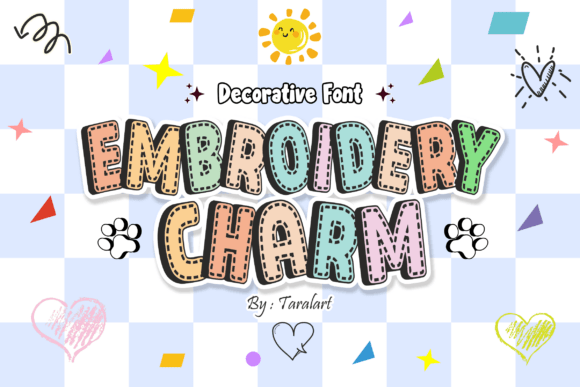
The moment you load Embroiderycharm Regular, the visual mood is unmistakable. It is distinctively adorable and charming, designed to mimic the imperfect, hand-stitched aesthetic that customers crave in handmade products. Unlike rigid, geometric sans-serif fonts, this typeface feels organic. The characters are full of personality, suggesting a softness that translates beautifully into thread.
For designers working in the Decorative category, this font stands out because it does not try to be perfect. Instead, it leans into the whimsical nature of cartoon-style lettering. This makes it an excellent choice for projects where approachability and warmth are key selling points. Whether you are creating a printable mockup for an Etsy listing or preparing a digital embroidery file for a client, the inherent charm of the design reduces the need for excessive embellishment. The font speaks for itself.
Real-World Applications for Handmade Businesses
When evaluating a new machine embroidery design, I always ask: "Where will this actually sell?" Embroiderycharm Regular is versatile enough to fit into several high-demand niches for small business owners and creative entrepreneurs.
- Custom Apparel and Sweatshirts: The rounded, soft edges of the letters make this font ideal for sweatshirt embroidery. It pairs wonderfully with oversized, cozy garments, appealing to the current trend of comfortable, personalized streetwear.
- Tote Bags and Aprons: For a tote bag design or a kitchen apron, this font adds a boutique feel. It works well for monograms or short phrases like "Market Day" or "Homemade," enhancing the perceived value of the handmade product.
- Nursery Decor and Baby Items: Because the characters are distinctly adorable, this font is a natural fit for baby blankets, bibs, and nursery wall hangings. It conveys safety, softness, and love, which are crucial emotional triggers for parents buying personalized gifts.
- Embroidered Patches: The compact nature of the characters allows them to work well on smaller canvases, such as an embroidered patch for a cap or backpack. The design remains legible even when scaled down, provided the stitch density is managed correctly.
Technical Considerations for Embroidery Designers
While the aesthetic appeal of Embroiderycharm Regular is strong, practical execution requires careful attention to detail. As with any embroidery file sourced from platforms like Creative Fabrica, you must consider how the design interacts with different fabrics and hoop constraints.
Fabric Choice and Stabilizer Selection
This font’s "stitchwork" appearance suggests a certain level of texture. When stitching on textured fabrics like terry cloth towels or waffle-knit sweatshirts, the design holds up well. However, on stretchy fabrics, proper stabilization is non-negotiable. I recommend using a cut-away stabilizer for garments that will undergo frequent washing, such as custom apparel or baby items. For woven fabrics like tote bags or pillow covers, a tear-away stabilizer may suffice, but always test on scrap fabric first.
Stitch Density and Thread Colors
One of the critical aspects of using a decorative font is managing stitch density. If the design relies heavily on satin stitch columns for the letter strokes, you must ensure the width is not too broad for smaller hoop sizes. Broad satin stitches can snag or pull on lightweight fabrics. If the design utilizes fill stitch areas, check for potential puckering. I advise reviewing the stitch count and density settings in your embroidery software before loading the file onto your machine.
Thread color contrast is another vital element. Because Embroiderycharm Regular is designed to look like traditional stitchwork, it shines when there is a clear contrast between the thread and the fabric. On dark fabrics, use light, vibrant thread colors to ensure legibility. On light fabrics, deeper tones help the charming details pop. Always create mockups with different thread colors to see how the design performs visually before committing to production.
Hooping and Curved Surfaces
For projects like caps or curved pillow covers, hooping can be tricky. The distinctiveness of each character in Embroiderycharm Regular means that distortion during hooping will be noticeable. Ensure your hoop size is appropriate for the design dimensions. If you are stitching on a curved cap surface, use a cap frame and consider reducing the pull compensation slightly to prevent the letters from appearing stretched or distorted.
Enhancing Product Value and Brand Consistency
Using a cohesive set of design assets is crucial for building a recognizable brand. Embroiderycharm Regular offers a consistent visual language that can unify your product line. When customers see this specific charming aesthetic across your Etsy listings, craft fair displays, and social media posts, it builds trust. They begin to associate that cozy, hand-stitched look with your brand.
Furthermore, the visual appeal of this font can directly impact customer engagement. In product photography, the texture and depth of the stitches created by this font add dimension to flat images. This makes your finished product look more tangible and desirable online. For sellers of commercial embroidery items, this added visual interest can justify a higher price point, as the item appears more labor-intensive and artisanal.
Final Verdict and Practical Advice
Is Embroiderycharm Regular worth downloading? For designers focusing on cute, cozy, and personalized markets, the answer is likely yes. It fills a specific niche for decorative fonts that feel handmade rather than manufactured. However, success depends on your technical execution.
Before using this design for customer orders, I strongly advise you to check the product details on the Creative Fabrica embroidery page. Confirm the available file formats, ensure they are compatible with your machine, and review the license terms for commercial embroidery use. Not all fonts or designs have the same licensing restrictions, so clarity here is essential for protecting your business.
Start by stitching a test sample on the same fabric you intend to use for your final product. Inspect the small details after stitching to ensure the "charming" imperfections do not turn into messy loose threads. With proper stabilizer, careful thread selection, and attention to hoop size, Embroiderycharm Regular can become a staple in your repertoire for creating beloved, high-quality handmade gifts and apparel.