Review: Sardine Can Cross Stitch Pattern for Modern Makers
As an embroidery designer who spends half my life digitizing files and the other half stitching them out, I am always on the hunt for designs that bridge the gap between traditional craft and modern aesthetic. Recently, I came across the Sardine Can Cross Stitch Pattern on Creative Fabrica, and it immediately caught my eye. It is not just another floral motif or generic quote; it is a bold, vintage-inspired graphic that speaks to the current trend of quirky, humorous kitchen decor. I decided to evaluate this product not just as a digital asset, but as a potential cornerstone for real-world handmade products, from Etsy listings to custom client orders.
First Impressions: Visual Mood and Design Personality
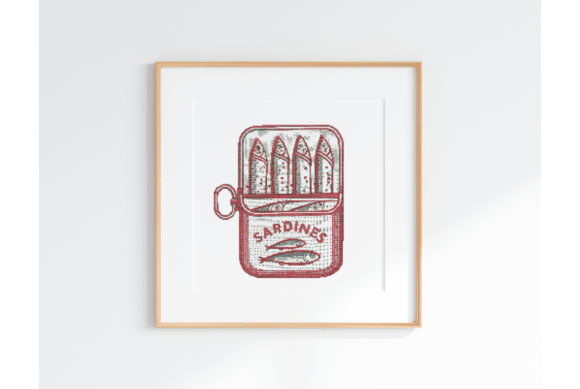
The first thing you notice about the Sardine Can Cross Stitch Pattern is its distinct personality. It leans heavily into the "modern vintage" vibe that is currently dominating home decor trends. The design features a stylized canned sardines label, which offers a playful nod to retro packaging while maintaining a clean, contemporary line work. For embroidery designers, this clarity is crucial. A cluttered design often translates poorly into stitch form, but this graphic appears optimized for readability.
The visual mood is lighthearted yet sophisticated. It avoids being overly cartoonish, which makes it versatile enough for adult home decor as well as whimsical gifts. When reviewing Cross Stitch Patterns in the Graphics category, I look for strong silhouettes. This design delivers that. The contrast between the tin can structure and the typography suggests a high-impact finished product, provided the thread colors are chosen with care. It feels like a design that belongs in a modern farmhouse kitchen or on the apron of a serious home cook.
Real-World Application: Beyond the Hoop
While this is marketed as a cross-stitch chart, its utility extends far beyond a framed piece of wall art. In my experience, strong graphic designs like this translate beautifully into various handmade product categories. Here is how I envision using this design in a commercial or personal workflow:
- Kitchen Textiles: This is the most obvious application. Imagine this stitched onto a high-quality linen tote bag design for grocery runs, or centered on a flour sack towel. The rectangular shape of the can fits perfectly within standard hoop sizes without requiring excessive fabric manipulation.
- Custom Apparel: For those offering custom apparel, this design would look striking on the pocket of a denim jacket or the chest of a neutral-toned sweatshirt. The sweatshirt embroidery market loves unique, conversation-starting graphics, and this fits the bill.
- Embroidered Patches: If you stabilize correctly, this design could be stitched out as an embroidered patch. The defined edges of the can make it ideal for cutting and applying to hats or backpacks.
- Nursery and Kids' Decor: While slightly niche, the playful nature of food-themed art is trending in nurseries. A soft pastel version of this pattern could work on a pillow cover or a small wall hanging.
For Etsy sellers and small business owners, having a design that works across multiple product lines increases your return on investment. You are not just selling one item; you are building a cohesive brand aesthetic around quirky, vintage-inspired kitchenware.
Technical Considerations for Stitchers
Before you download any digital embroidery file or pattern, you must consider the technical execution. Since this is a counted cross-stitch chart, the approach differs slightly from machine embroidery, but the principles of density and contrast remain vital.
Fabric Choice and Contrast
The success of this design hinges on contrast. Because the design mimics a printed label, you need a fabric that allows the stitches to pop. White or cream Aida cloth is the safest bet for a classic look. However, if you are attempting this on dark fabric, you must ensure your thread colors are vibrant enough to stand out. Always test on scrap fabric first. I recommend stitching a small section of the lettering to check for readability before committing to the full piece.
Stitch Density and Detail
One concern with any design featuring text or small graphical elements is the level of detail. In cross-stitch, "pixelation" is part of the charm, but too much detail on a low-count fabric can result in a muddy image. Review the chart carefully. If the pattern includes tiny lettering, consider using a higher count fabric, such as 18-count or even 28-count linen, to preserve the crispness of the design. If you are adapting this concept for machine embroidery, you would need to pay close attention to stitch density to prevent puckering, especially if using a fill stitch for the background of the can.
Hoop Size and Layout
Confirm the finished dimensions provided in the product description. This will dictate your hoop size. For a kitchen towel, a 5x7 or 6x10 hoop might be sufficient, but for a tote bag, you might want a larger statement piece. Ensure the design fits comfortably within your chosen hoop with enough margin for finishing.
Enhancing Product Value and Brand Consistency
Why choose this specific design over a free alternative? The answer lies in professionalism and brand consistency. High-quality design assets from reputable sources like Creative Fabrica often come with better clarity and tested layouts. When you use a polished design, your finished product looks more professional, which builds buyer trust.
For creative entrepreneurs, this design offers excellent potential for product photography. The retro aesthetic photographs well against wooden backgrounds, marble countertops, or alongside fresh produce. This visual appeal drives customer engagement on social media platforms like Instagram and Pinterest. A well-stitched Sardine Can Cross Stitch Pattern becomes not just a product, but a content piece that markets your shop for you.
Furthermore, offering a personalized gift option—such as adding a name below the can in a complementary font—can significantly increase the perceived value. Customers are willing to pay more for items that feel exclusive and tailored to their tastes.
Practical Steps Before You Stitch
To ensure the best results with the Sardine Can Cross Stitch Pattern, follow these practical steps:
- Check Licensing: Always review the license terms on the Creative Fabrica product page. Confirm whether the license allows for commercial use of finished physical items if you plan to sell them.
- Select Quality Threads: Use high-quality cotton floss that resists fading, especially if the item will be washed frequently, like an apron or towel.
- Mockup Your Design: If you are selling digitally or planning a complex layout, create a printable mockup to visualize how the design sits on different products.
- Stabilize Properly: If you are adapting this for machine embroidery or stitching on stretchy fabrics like sweatshirts, use the appropriate stabilizer to prevent distortion.
- Inspect Details: After stitching, inspect the small details. Trim any loose threads meticulously. The clean finish is what separates amateur work from boutique merchandise.
Final Verdict
The Sardine Can Cross Stitch Pattern is a charming, versatile addition to any designer’s library. It captures the zeitgeist of modern vintage decor while offering enough simplicity to be accessible for intermediate stitchers. Whether you are creating a commercial embroidery line for a local boutique or making a personalized gift for a friend who loves cooking, this design holds up well. It is a reminder that humor and style can coexist in needlework. By paying attention to fabric choice, thread contrast, and finishing techniques, you can transform this digital graphic into a tangible, high-value handmade item that resonates with customers.