Vintage Kitchen Cross Stitch Pattern Review
As an embroidery designer who spends countless hours digitizing and stitching for clients, I am always on the lookout for designs that offer both aesthetic charm and technical reliability. Recently, I explored the Vintage Kitchen Cross Stitch Pattern available on Creative Fabrica. My goal was not just to admire the artwork, but to evaluate its potential for real-world application in my small business. Whether you are an Etsy seller, a boutique owner, or a hobbyist looking to elevate your handmade gifts, understanding how a design translates from a digital file to a finished product is crucial.
This review focuses on the practical aspects of using this specific Cross Stitch Patterns asset. I approached it with the mindset of a creator preparing for a customer order, considering factors like stitch density, fabric compatibility, and overall visual impact. Here is my honest assessment of how this design performs in a professional embroidery context.
First Impressions: Mood and Aesthetic Appeal
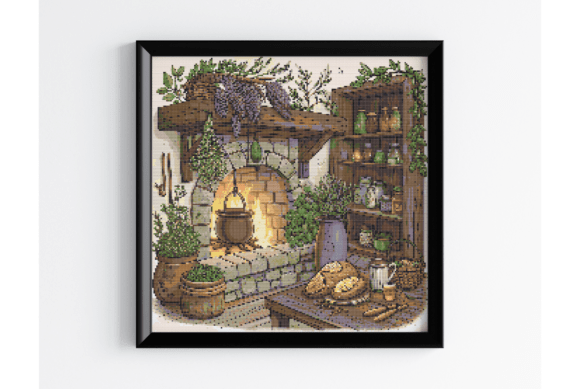
The immediate standout feature of the Vintage Kitchen Cross Stitch Pattern is its evocative mood. It captures the essence of the cottagecore trend perfectly, featuring a cozy scene centered around an old wood stove and drying herbs. For designers, this is more than just a pretty picture; it is a narrative element that adds warmth and nostalgia to any project. The level of detail in the counted chart suggests a thoughtful composition that balances intricate elements with open space, which is vital for readability in embroidery.
Visually, the design leans into a rustic, homely aesthetic. This makes it highly versatile for a variety of handmade product lines. It does not feel overly modern or stark, nor does it feel cluttered. The balance between the structural elements of the stove and the organic shapes of the herbs creates a harmonious look that appeals to buyers seeking comfort and tradition in their home decor and apparel.
Practical Applications for Commercial Embroidery
When evaluating a new embroidery file, I always ask: where does this belong? The Vintage Kitchen Cross Stitch Pattern is particularly well-suited for kitchen-centric items. Imagine this design stitched onto a high-quality linen apron or a set of flour sack kitchen towels. The theme aligns perfectly with the function of the item, increasing its perceived value as a personalized gift or a staple for a home cook.
Beyond the kitchen, this design has strong potential for tote bag design applications. A canvas tote featuring this vintage scene would appeal to shoppers at farmers' markets or craft fairs. It also works beautifully for sweatshirt embroidery, especially when placed on the left chest or as a larger back print for a statement piece. The nostalgic vibe pairs well with neutral tones like cream, oatmeal, or sage green, allowing the thread colors to pop without clashing.
For those selling commercial embroidery products, this design can be adapted for pillow covers and nursery decor. The gentle, warm imagery fits seamlessly into spaces designed for relaxation. Additionally, it could serve as a charming motif for an embroidered patch, which customers can then iron or sew onto denim jackets or backpacks, adding a layer of customization to their wardrobe.
Technical Considerations for Real-World Stitching
While the visual appeal is strong, the technical execution requires careful planning. Since this is provided as a detailed counted chart within a digital PDF, it is essential to understand how these cross-stitch elements translate to machine embroidery if you are adapting them, or how they perform if you are hand-stitching for high-end bespoke items. If you are using this as a reference for machine work, pay close attention to stitch density.
Cross-stitch styles can sometimes result in dense areas if every pixel is converted directly to a satin or fill stitch. For machine embroiderers, it is advisable to simplify some of the finer details to prevent puckering, especially on lighter fabrics. When working on stretchy fabrics like those used for custom apparel, using the correct stabilizer is non-negotiable. A cut-away stabilizer might be necessary for garments that will undergo frequent washing, ensuring the design retains its shape over time.
Another critical factor is the hoop size. Before starting, confirm that your hoop can accommodate the full dimensions of the design. If the pattern includes tiny lettering or intricate herb details, ensure your machine’s resolution can handle these small elements without thread breaks or nesting. Testing on scrap fabric of the same type and weight as your final material is a best practice I never skip. This allows you to check thread color contrast and adjust tension before committing to the final finished product.
Enhancing Product Value and Brand Consistency
In the competitive world of online selling, presentation is everything. The Vintage Kitchen Cross Stitch Pattern offers a distinct advantage in product photography. Its cohesive color palette and recognizable theme make it easy to style for social media and listings. A well-stitched apron or towel featuring this design tells a story, which helps build buyer trust and emotional connection.
Using consistent design assets like this helps establish brand identity. If your shop specializes in rustic, farmhouse, or cottagecore styles, this pattern reinforces your niche. It allows you to create a collection rather than just isolated items. For example, you could offer a bundle including a towel, an apron, and a pot holder, all featuring variations of this theme. This strategy increases average order value and enhances the giftability of your products.
Moreover, the quality of the stitch-out reflects directly on your professional reputation. A clean, well-executed design signals attention to detail. When customers receive a handmade product that looks polished and durable, they are more likely to leave positive reviews and return for future purchases. The timeless nature of this vintage kitchen scene ensures it won’t look dated next season, providing long-term value to your inventory.
Final Thoughts and Recommendations
The Vintage Kitchen Cross Stitch Pattern is a valuable addition to any designer’s library of Graphics and patterns. It offers a blend of aesthetic charm and practical versatility that is rare to find. However, success with this design depends on proper preparation. Always review the specific file details and licensing terms on the Creative Fabrica product page before selling finished items. While the description mentions a digital PDF with a counted chart, ensure you have the right tools and skills to translate this into your preferred medium, whether that is hand cross-stitch or machine embroidery adaptation.
Remember to test on different fabrics, from dark to light, to see how the thread colors interact. Consider the end-use of the item; a decorative pillow cover has different durability requirements than a daily-use apron. By taking these steps, you can maximize the potential of this design and create beautiful, marketable pieces that resonate with your audience. For embroidery designers and small business owners, this pattern represents a solid opportunity to expand your product line with a touch of vintage warmth.