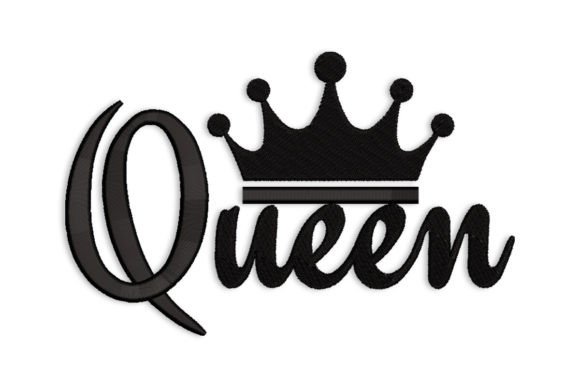
Reviewing the Queen Embroidery Design for Personalized Gifts
As an embroidery designer who has spent years digitizing and testing files for small businesses, I know that not every machine embroidery design is created equal. Some are purely decorative, while others carry a weight of meaning that transforms a simple piece of fabric into a cherished heirloom. Recently, I had the opportunity to test the Queen design for a personalized gift shop project, and I want to share my honest assessment of how it performs in real-world applications.
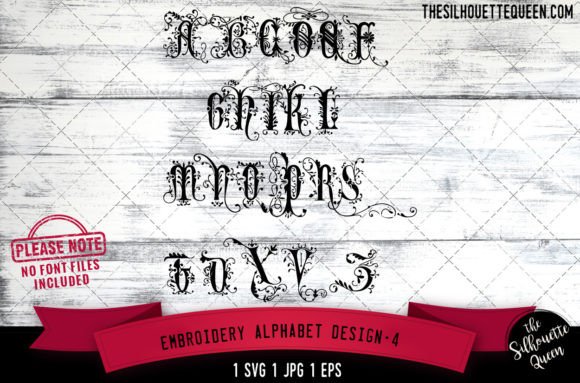
The central element of this design is the word "Queen," embroidered in a stylish and ornate font. From the moment I loaded the digital embroidery file into my software, I was struck by its bold and sophisticated presence. It reflects a royal theme without being overly cartoonish, striking a balance that appeals to a wide demographic. Whether you are an Etsy seller looking for your next bestseller or a craft fair vendor aiming to elevate your small shop product lineup, understanding the nuances of this design is crucial for success.
First Impressions: Mood, Charm, and Aesthetic Appeal
When evaluating a new design, I always look at the emotional resonance it creates. The Queen design exudes elegance and confidence. It does not feel playful in a childish sense, nor is it strictly romantic. Instead, it feels classic and empowering. The ornate detailing in the lettering suggests a handmade quality that customers immediately associate with high value.
For buyers, this design speaks to identity. It is perfect for someone who wants to feel celebrated, whether that is a new mother, a bride, or a young girl embracing her inner royalty. The charm lies in its simplicity; it is a single word, yet the stylization does all the heavy lifting. This makes it an excellent choice for those who prefer minimalist but impactful custom embroidery. It feels modern enough for contemporary home decor but traditional enough to serve as a timeless keepsake.
Versatility Across Product Categories
One of the strongest assets of the Queen design is its adaptability. During my testing phase, I visualized this design on various substrates to determine its commercial viability. Here is where I believe it shines brightest:
- Baby Embroidery and Nursery Decor: While the category might include Boys Girls items, this specific design leans towards a feminine or gender-neutral royal theme depending on thread choice. It works beautifully on baby blankets and nursery wall hangings. A soft pink or gold thread on a white minky blanket creates a luxurious personalized gift for a baby shower.
- Wedding Gifts and Keepsakes: This is arguably the strongest market for this design. Imagine an embroidered towel set for a bridal suite or a pillow cover for the honeymoon bed. The word "Queen" can be part of a "King and Queen" set, making it a popular wedding gift option. The sophistication of the font ensures it looks appropriate for adult celebrations.
- Kitchen and Home Textiles: An embroidered towel or apron featuring this design adds a touch of humor and status to the kitchen. It appeals to the home chef who rules their domain. The bold lettering holds up well against the texture of waffle weave or terry cloth, provided the stabilizer is chosen correctly.
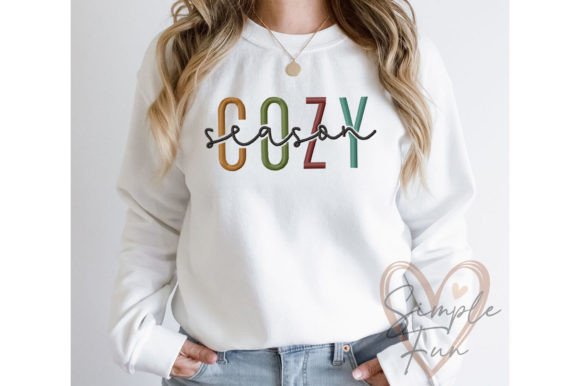
- Tote Bags and Apparel: For a handmade product line, canvas tote bags with this design are instant sellers. The design’s structure allows it to stand out on sturdy fabrics. It also works well on sweatshirts or structured caps, offering a streetwear-meets-royalty vibe that is currently trending.
Technical Considerations and Fabric Challenges
While the aesthetic is strong, any experienced embroiderer knows that execution is everything. There are specific scenarios where the Queen design requires careful handling. Because the font is ornate, it likely contains finer details and potential underlay complexities.
Fabric Texture and Stability: When stitching on textured fabrics like thick towels or fluffy blankets, the small details of the ornate font can get lost. I recommend using a cut-away stabilizer for stretchy materials like baby clothes to prevent distortion. For woven fabrics like pillow covers, a tear-away might suffice, but always test first. The stitch density appears moderate to high, which provides good coverage but requires attention to tension settings to avoid puckering.
Size and Legibility: If you plan to scale this design down for small items like handkerchiefs or baby socks, be cautious. The intricate parts of the letters may merge if the hoop size is too small relative to the detail level. Always check the smallest recommended size in the file documentation. Conversely, scaling it up too much on thin fabric might cause stability issues without proper backing.
Thread Color Contrast: Since the design relies on the shape of the letters, contrast is key. On dark fabrics, ensure you use a light, vibrant thread color. I found that metallic threads can enhance the "royal" aspect but may require slower machine speeds and specialized needles to prevent shredding. Always compare light and dark fabric mockups before finalizing your product photos.
Enhancing Perceived Value and Customer Trust
From a business perspective, the Queen design significantly boosts the perceived value of the finished product. Customers are not just buying an embroidered item; they are buying an affirmation. This emotional connection drives higher engagement and willingness to pay a premium price.
For Etsy sellers and digital product creators, this design offers excellent photography opportunities. A well-stitched "Queen" on a crisp white pillow cover or a plush robe looks professional and inviting in product listings. It signals that the seller pays attention to detail and quality. When customers see clean, dense stitching with no loose threads, their trust in your brand increases. This design, when executed well, becomes a testament to your skill as a creator.
Practical Steps Before You Stitch
Before you list this as a commercial embroidery product or use it for customer orders, follow these practical steps to ensure consistency:
- Test on Scrap Fabric: Never stitch directly on the final product first. Use scraps of the exact same material to check for registration issues and thread breaks.
- Check Thread Color Contrast: Ensure the chosen colors pop against the background. Sometimes a subtle shift in shade makes the ornate details much clearer.
- Confirm Hoop Size: Verify that the design fits comfortably within your hoop with adequate margin for clamping. Check the specific dimensions provided with the embroidery file.
- Review Stitch Density: If the design feels too stiff after stitching, consider adjusting your tension or using a lighter stabilizer. High density can make fabrics rigid, which is undesirable for baby items.
- Use Proper Stabilizer: Match the stabilizer to the fabric weight. Heavy towels need strong support, while delicate silks require gentle, non-woven backings.
- Check Small Details: Inspect the stitched sample closely. Are the sharp points of the letters crisp? Is there any pulling? These micro-details define quality.
- Confirm Commercial Licensing: If you are selling finished products, ensure your license allows for commercial use. If you are selling the digital file, clarify the terms for your buyers.
In conclusion, the Queen embroidery design is a versatile and emotionally resonant addition to any designer’s library. It bridges the gap between playful and sophisticated, making it suitable for a wide range of personalized gifts. By paying attention to fabric choice, stabilizer selection, and stitch quality, you can transform this digital file into a tangible product that delights customers and strengthens your brand reputation. Whether for a baby’s nursery or a bride’s trousseau, this design carries a regal promise that is sure to captivate.