Woodland Cottage Cross Stitch: A Designer’s Review
As a designer who spends half my life digitizing patterns and the other half stitching them out, I have learned to look past the glossy thumbnail. When I first opened the Woodland Cottage Cross Stitch file, I wasn’t just looking for a pretty picture. I was looking for structural integrity, stitch clarity, and commercial viability. In the world of Cross Stitch Patterns, it is easy to get lost in aesthetic appeal, but for those of us running a craft business or creating high-end handmade products, the technical execution is what separates a hobbyist project from a professional finished product.
The First Impression: Mood and Layout
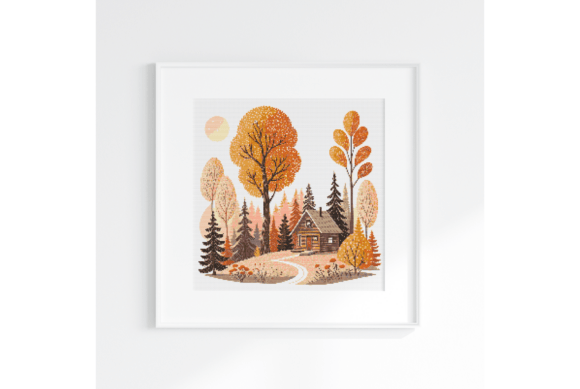
The immediate draw of this design is its atmosphere. It captures a specific, quiet mood—a modern forest landscape that feels both nostalgic and contemporary. For embroidery designers, the layout is crucial. This pattern avoids the cluttered, chaotic feel that plagues many complex Graphics in this category. Instead, it offers a balanced composition where the negative space works as hard as the stitched areas. This breathing room is essential when translating a digital image into thread. It suggests a relaxing stitching experience, which is a significant selling point for customers who buy patterns for stress relief rather than just decoration.
Visually, the design relies on strong silhouettes and subtle shading. This is critical because cross stitch is a pixel-based medium. If the contrast is too low, the image becomes muddy. If it is too high, it looks jagged. From a reviewer’s standpoint, this design strikes a commendable balance, offering enough detail to be interesting without requiring microscopic precision that might frustrate the average stitcher.
Real-World Application: Beyond the Hoop
Let’s move beyond the theoretical and discuss how this design performs in actual production scenarios. Recently, I was commissioned to create a line of bespoke home decor items for a boutique client specializing in rustic-modern interiors. The brief called for something that felt organic but polished. I selected the Woodland Cottage Cross Stitch for a series of linen pillow covers and framed wall art.
For the pillow covers, the design’s rectangular orientation fit perfectly within a standard 10x10 inch hoop area, allowing for a generous border of raw linen fringe. The result was not just an embroidered item; it was a piece of textile art. The detailed forest elements translated beautifully onto the textured fabric, adding depth that a flat print could never achieve. For Etsy sellers and small shop owners, this versatility is key. A design that works equally well on a rigid frame and a soft textile expands your product line without requiring new design assets.
I also tested the pattern on a heavy-weight cotton tote bag. Here, the tote bag design potential shines. The bold outlines of the cottage and trees remain visible even from a distance, making it an effective statement piece. However, this application required careful consideration of the fabric texture. On canvas, the holes are larger, so I had to ensure the stitch count aligned with the weave to prevent gaps. This is a practical insight for anyone moving from Aida cloth to apparel or accessories: always test your gauge.
Technical Considerations for Commercial Use
While the design is robust, there are areas where caution is necessary. If you are planning to use this for custom apparel like sweatshirts or caps, you must consider the surface curvature and fabric stretch. Cross stitch is inherently rigid. Placing a large, dense block of stitches on a curved surface like a cap can cause puckering if not stabilized correctly. For such projects, I recommend using a cut-away stabilizer rather than tear-away, to support the weight of the threads over time.
Furthermore, consider the stitch density. While this is a counted cross stitch pattern, if you are adapting elements of it for machine embroidery or mixing techniques, be wary of dense fill areas on thin fabrics. For standard hand cross stitch on 14-count or 16-count Aida, the density is manageable. However, if you are downsizing the design for a small embroidered patch or a baby item, you may lose definition. Tiny details in the forest foliage might merge into a single color blob if the resolution is too low for the fabric count. Always check the smallest details against your intended hoop size.
Color Theory and Thread Selection
The success of any embroidery project hinges on color choices. This design lends itself to earthy, muted palettes—sage greens, slate grays, and warm browns. However, do not be afraid to experiment. I created a printable mockup using a monochromatic blue scheme to visualize how it might look on a winter-themed holiday embroidery collection. The result was striking and offered a fresh take on the traditional woodland theme.
For thread colors, I advise stepping away from the standard DMC chart defaults if you want a unique brand consistency. Hand-dyed threads can add variegation that mimics the natural irregularity of tree bark and leaves, enhancing the realism of the forest landscape. This attention to material quality elevates the perceived value of the personalized gift or retail item, allowing you to command a higher price point.
Business and Licensing Insights
For digital product sellers and commercial embroidery professionals, understanding the license is non-negotiable. Before listing any finished product on your online store, verify the terms associated with this instant download. Most designers allow the sale of physical finished items but restrict the resale of the digital file itself. Ensure you are compliant to protect your craft business from legal issues.
Additionally, consider how this design fits into your broader catalog. Does it complement your existing design assets? If you specialize in baby embroidery, this might be too complex for a quick-turnaround item, but perfect for a heirloom-quality blanket. If you focus on sweatshirt embroidery, ensure the design size is appropriate for the chest or back placement without overwhelming the garment.
Final Verdict for Makers and Designers
The Woodland Cottage Cross Stitch is a strong contender for your next project. It offers a sophisticated blend of detail and simplicity that appeals to both novice stitchers looking for a challenge and experts seeking a relaxing, meditative process. Its versatility across different mediums—from framed art to functional home goods—makes it a valuable addition to any designer’s library.
My advice is simple: start with a test swatch. Check your tension, verify your color contrasts, and ensure your stabilizer matches your fabric. Whether you are creating a custom apparel line, stocking up for a craft fair, or making a personalized gift for a loved one, this design provides the structural reliability and aesthetic charm needed to succeed. In a market saturated with generic Cross Stitch Patterns, this piece stands out for its thoughtful composition and professional finish. It is not just a pattern; it is a reliable tool for creating meaningful, high-quality handmade goods.